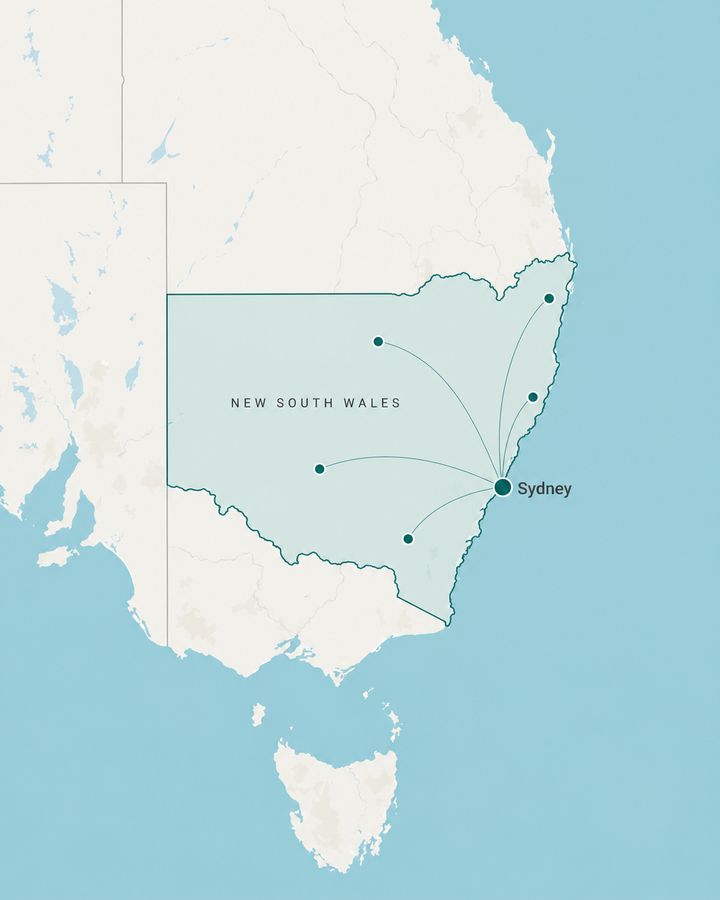
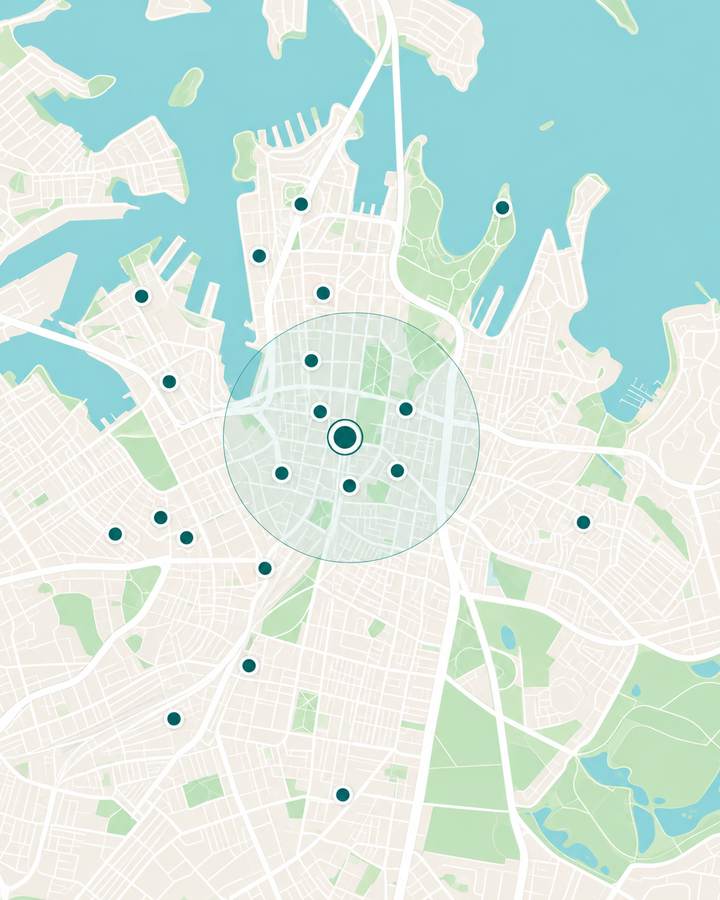
IMAR Partners gives private specialists their own field representative. We map the GP practices around your rooms, sit down with the doctors themselves rather than the front desk, and report each month on which practices are referring.

0%of GPs say a specialist who visits their practice changes who they refer to (Healthscope survey)
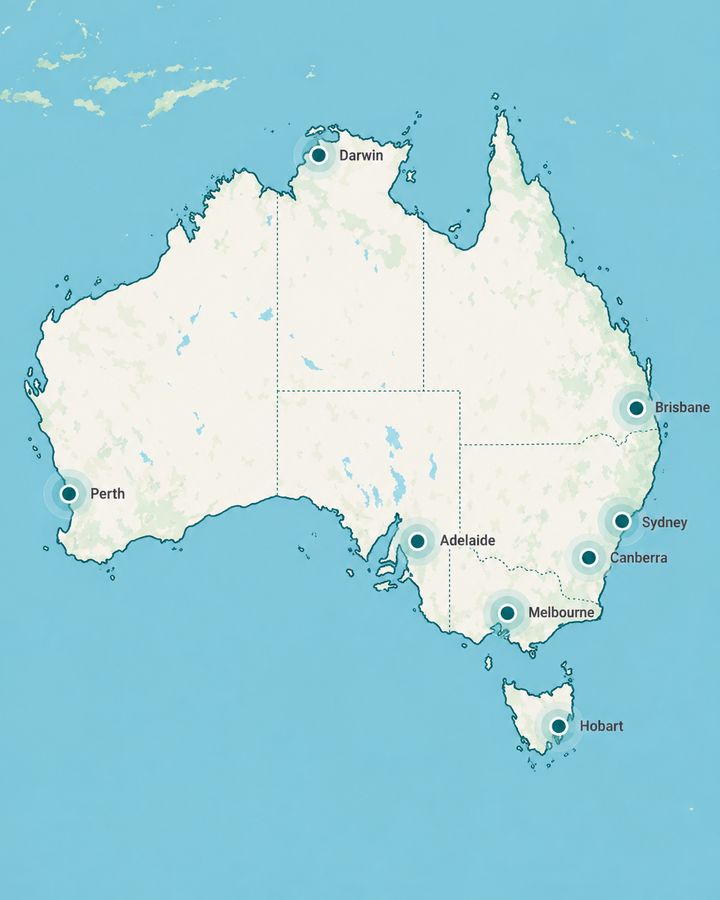
NationwideRepresentatives in every major Australian city
The problem isn't a lack of credentials. It's that reaching a GP is harder than it looks. Most attempts stop at the front desk, with a flyer that never reaches the person who actually writes the referral.
Referrals depend on a handful of GPs who already know you
A liaison builds familiarity across every practice in your catchment
Your own staff get as far as reception and leave a flyer behind
We get in front of the GPs themselves, not the admin desk
A directory listing gets you found, not remembered
Real face time makes you the name GPs think of first
When fees are published, GPs who don't know you compare you on price
GPs who know you personally refer on trust, not price
This isn't a new idea, and that's the point. The organisations competing for the same referrals have funded this work for years. A specialist without it is the only one in the room relying on being remembered unassisted.
Employ GP liaison officers whose entire role is keeping their specialist rosters front of mind with surrounding practices.
Fund field representatives who sit with GPs regularly under an established code of conduct. This is the model IMAR is built on.
Run internal business development staff doing this work across every doctor on their books, as a standing cost of operating.
Referral relationships get built by the specialists who treat them as something to invest in. The ones waiting for referrals to arrive are relying on a channel everyone else is actively working.
The goal isn't another directory listing. It's the same familiarity private hospitals already pay liaison officers to build, pointed at your practice alone.
Fill empty sessions with referrals from GPs who now know your sub-specialty and your availability.
Build a private list stable enough that public or VMO shifts become a choice, not a necessity.
Every GP conversation is clinical and educational, run to AHPRA-compliant standards. Never a sales call, never an inducement.
Monthly reporting shows exactly which practices are engaging and converting.
For a specialist building referrals around a single set of rooms. One dedicated representative, a territory mapped around your rooms and primary hospital affiliation, regular GP conversations across that catchment, and monthly reporting on the practices covered.
For a specialist consulting across multiple locations, or building recognition beyond their immediate area. Multiple territories mapped and covered, representative capacity scaled to the number of territories, coordinated coverage across your locations, and consolidated monthly reporting by region.
For telehealth-led practices and specialists building a referral base beyond one state. A national territory plan, local representatives in each target city, coverage aligned to where you consult including remotely, and national reporting with a state-level breakdown.
We look at your specialty, catchment, rooms and hospital affiliations, and where your current referrals come from.
We identify the highest-value GP practices in your catchment and build your liaison kit.
Your representative starts working the territory on a 90-day minimum, with monthly reporting on which GPs were reached and how referral patterns are moving.
I spent my early career as a pharmaceutical rep, in GP clinics every day, watching drug companies invest heavily in making sure GPs knew their products, while private hospitals paid liaison officers to do the same for their specialist rosters. The specialists actually treating the patients had no one doing that for them. IMAR applies that same structured, compliant model to a single specialist's practice.
Our job is to occupy the mental real estate of the referring doctor. When a patient walks in with a condition you treat, the specialist who is front of mind should be you.Rami Issa, Founder, IMAR Partners
Book a call and we'll map the GP practices around your rooms, identify where the biggest referral gap is, and show you what a pilot territory would look like.
IMAR's visits are structured as clinical and educational contact, not promotion. It is modelled on the Medicines Australia Code of Conduct standards pharmaceutical reps already operate under. No inducements to referrers, no testimonials, and every interaction is documented.
A directory gets you found if a GP goes looking. Only about 20% of GPs use directories to find a specialist. Most rely on the network they've already built. IMAR builds that personal familiarity directly.
Yes, without qualification. Telehealth specialists are often among the strongest fits, because they tend to work in specialties where local practices are carrying waitlists running into months. A GP who knows you and knows your availability has a far shorter option to offer the patient in front of them. Your liaison covers the GP catchments you want referrals from, rather than the ones nearest your rooms.
Nationally. We have representatives in every major Australian city, so your territory is built around where you want referrals to come from: your rooms, your hospital affiliations, or the catchments you consult into remotely.
You get monthly reporting on visits completed, practices engaged, and referral-source tracking, so you can see which GPs are converting.
Referral relationships take time to build, which is why we run a 90-day minimum before assessing results. Territory mapping and the first GP conversations typically start within a few weeks.
Most specialists who have tried it found the same thing: their staff reach reception and stop there. A flyer gets left at the front desk and the GP never sees it. Getting into a clinical conversation with the doctor is a specific skill, done full-time, and it is what our representatives are trained for.
No. IMAR never offers inducements or incentives to GPs. The service is field-based clinical education and relationship-building with GPs, the same model hospitals and pharmaceutical companies already use, applied to one specialist.